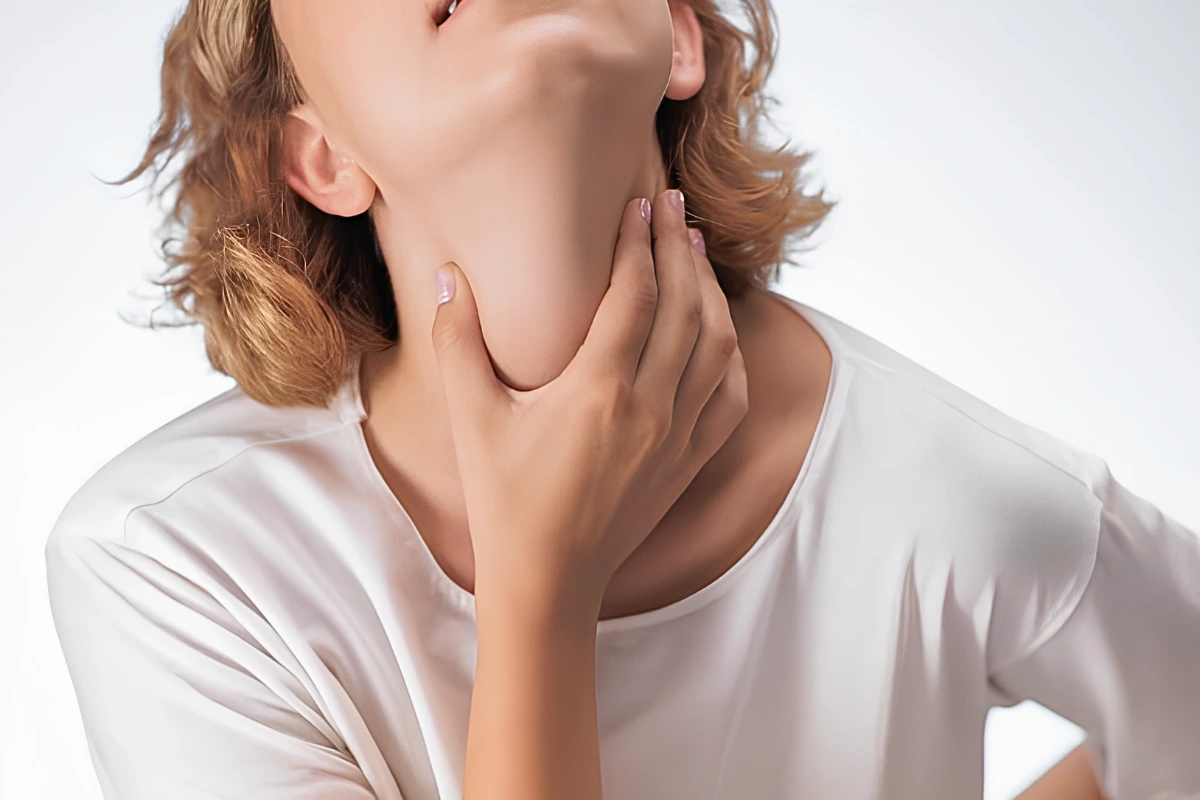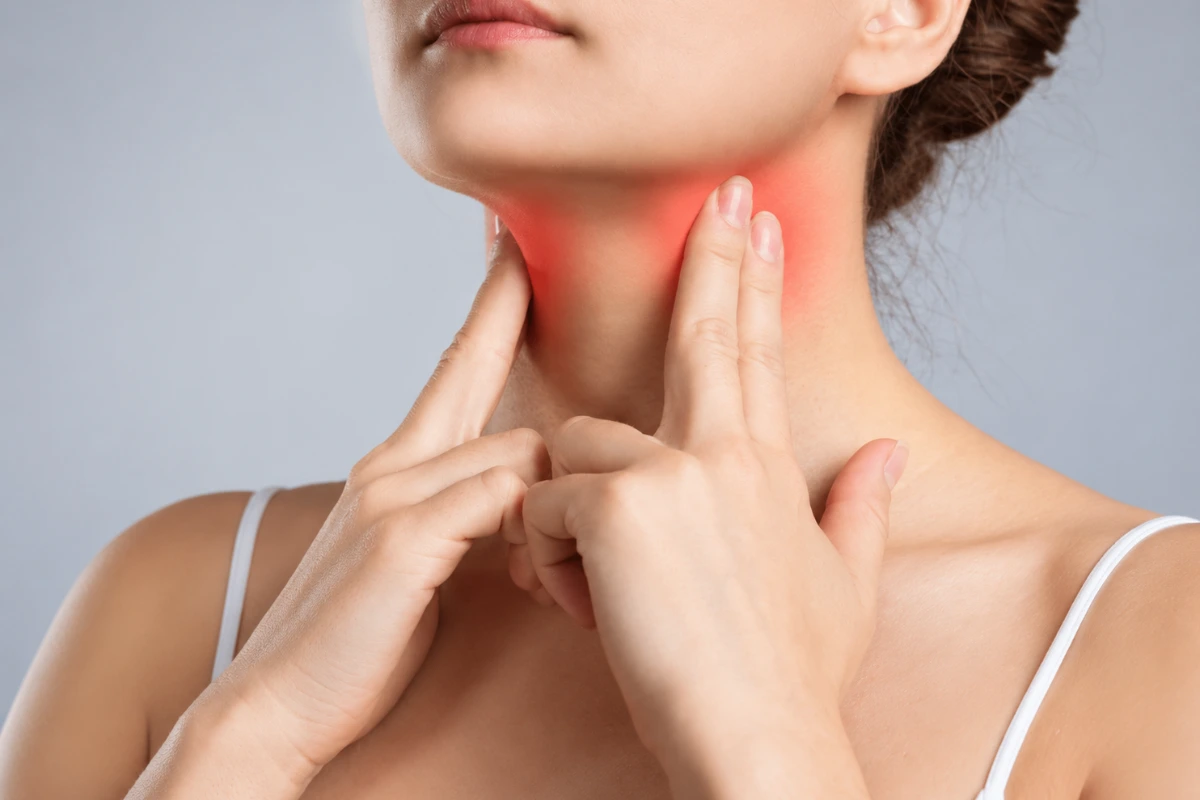
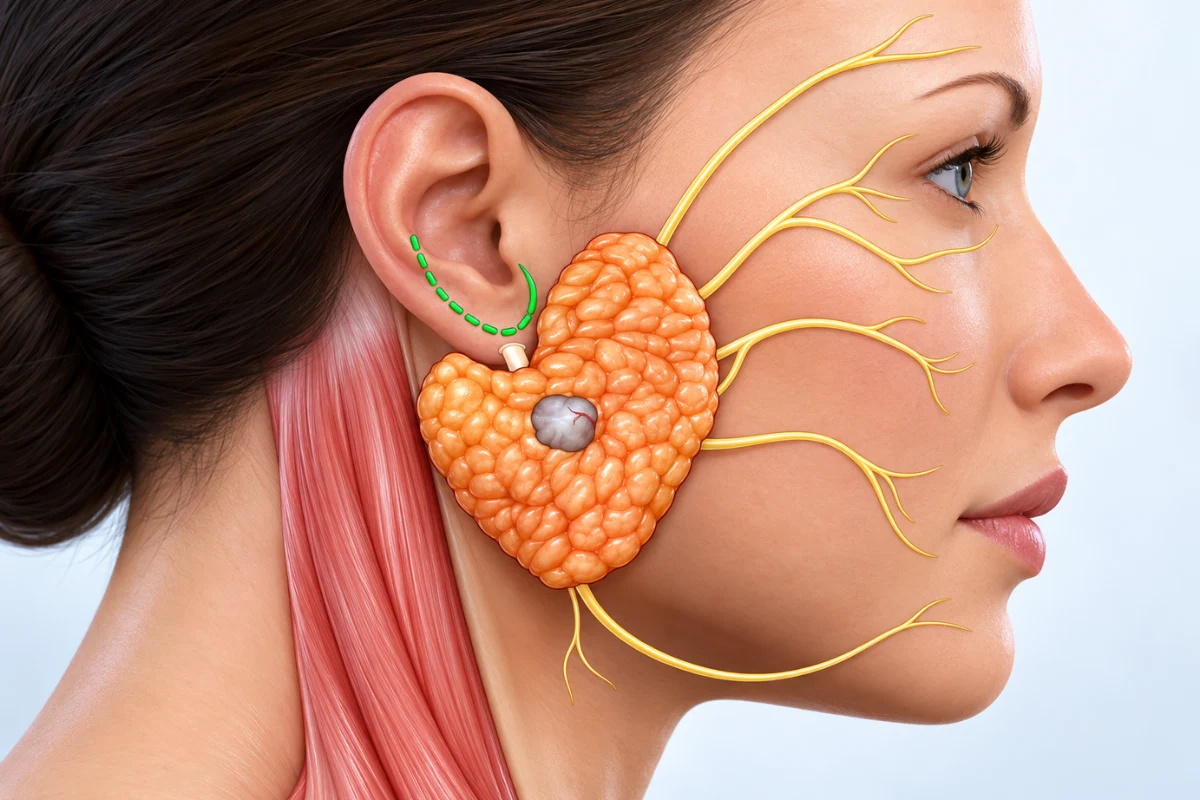
A lump near the ear or along the jawline can have several causes, including swelling of the salivary glands. In some cases, it may be a parotid gland tumour. Although many parotid tumours are non-cancerous, medical assessment is important to determine the cause and identify the appropriate treatment.
If you notice persistent swelling near your ear, a lump below your jaw, or changes in facial movement, consulting a qualified medical professional can help you understand what is causing the symptoms.
This guide explains the symptoms, diagnosis and treatment options for parotid gland tumours, including when to consider a consultation with a salivary gland specialist in Dubai.
What Is a Parotid Gland Tumour?
The parotid glands are the largest of the salivary glands. There is one gland on each side of the face, positioned in front of and just below the ears. These glands produce saliva, which helps keep the mouth moist and supports digestion.
A parotid gland tumour is an abnormal growth that develops within one of these glands. Tumours may be benign (non-cancerous) or malignant (cancerous).
Many parotid gland tumours are benign, but their nature cannot be determined reliably from symptoms or appearance alone. Medical evaluation and appropriate diagnostic tests are needed to understand the type of growth.
The recommended treatment depends on factors such as the tumour’s size, location, type and relationship with nearby structures, including the facial nerve.
Common Symptoms of Parotid Gland Tumours
Parotid gland tumours may develop gradually and can sometimes remain painless for an extended period. Some are discovered during a routine examination or an imaging test performed for another reason.
Common symptoms may include:
- A lump near the ear: A noticeable swelling in front of or below the ear is a common presentation.
- Swelling along the jawline: The affected area may appear fuller on one side of the face.
- Pain or tenderness: Some tumours may cause discomfort, although many are painless.
- Changes in facial movement: Weakness or reduced movement on one side of the face requires prompt medical assessment.
- Numbness or altered sensation: Changes in sensation around the affected area may need further investigation.
- Difficulty opening the mouth: This can occur in certain cases involving surrounding structures.
These symptoms do not necessarily mean that a tumour is cancerous. Other conditions, including salivary gland infections, blocked salivary ducts and cysts, can cause similar symptoms.
If you notice a persistent or growing lump near your ear or jaw, arrange a medical assessment rather than attempting to identify the cause yourself.
What Causes Parotid Gland Tumours?
The exact cause of many parotid gland tumours is not fully understood. Different types of tumours may develop for different reasons, and having a risk factor does not mean that a person will develop one.
Some factors associated with salivary gland cancer include previous radiation exposure to the head and neck and certain occupational exposures. However, many people diagnosed with a parotid tumour have no clearly identifiable risk factor.
A healthcare professional can review your medical history and symptoms to determine whether further investigation is necessary.
How Are Parotid Gland Tumours Diagnosed?
Accurate diagnosis is important because treatment recommendations differ between benign and malignant tumours. The evaluation may involve several steps.
1. Medical History and Physical Examination
The doctor will ask when the lump first appeared, whether it has changed in size, and whether you have experienced pain, facial weakness or other symptoms.
An examination may assess the parotid gland, nearby lymph nodes and facial nerve function.
2. Imaging Tests
Depending on the clinical findings, the doctor may recommend one or more imaging tests.
- Ultrasound: Helps assess the lump’s size, structure and location.
- MRI: Provides detailed images of soft tissues and may help evaluate the tumour’s relationship with nearby structures.
- CT scan: May be recommended when additional information about the tumour or surrounding anatomy is required.
The choice of imaging depends on the individual case and the information needed for diagnosis and treatment planning.
3. Needle Biopsy
A fine-needle aspiration or core needle biopsy may be recommended to collect a tissue or cell sample for examination. This can help determine the nature of the growth and guide treatment decisions.
Not every patient requires the same combination of tests. The treating specialist will decide which investigations are appropriate based on the clinical examination and imaging findings.
Parotid Gland Tumour Treatment in Dubai
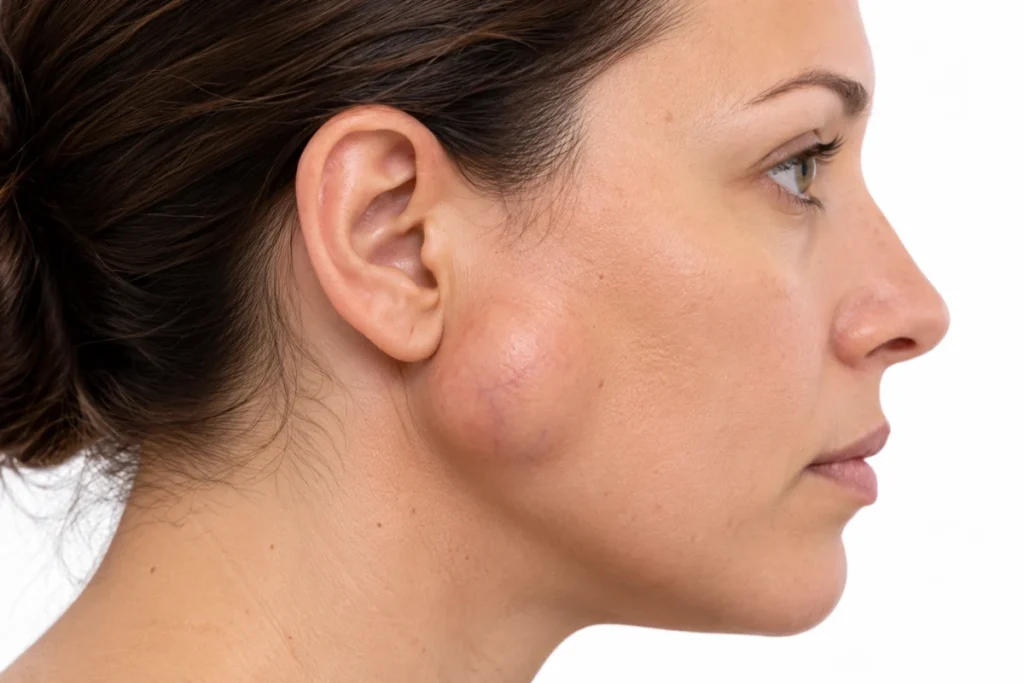
Treatment depends on whether the tumour is benign or malignant, its size and location, the results of diagnostic tests, and the patient’s overall health.
A salivary gland specialist can explain the available options and discuss the potential benefits and risks of each approach.
Monitoring in Selected Cases
In certain circumstances, a specialist may consider observation with scheduled follow-up. This depends on the tumour’s characteristics, the certainty of the diagnosis and the patient’s clinical circumstances.
Monitoring should be guided by a healthcare professional, with a clear plan for reassessment if the lump changes or symptoms develop.
Parotid Gland Surgery
Surgery is a common treatment for many parotid gland tumours. The procedure used depends on the tumour’s location, size and nature.
A parotidectomy involves removing part or, in selected cases, all of the parotid gland. The surgeon plans the operation carefully because the facial nerve, which controls facial movements, passes through the gland.
Depending on the findings, surgery may involve removing a portion of the gland or a larger area of tissue. The removed tissue is examined to help establish the final diagnosis.
As with any operation, parotid surgery carries potential risks. These may include bleeding, infection, changes in sensation around the ear, salivary leakage, facial nerve weakness and other complications. The likelihood and nature of these risks vary by case.
Your surgeon should explain the proposed procedure, expected recovery and relevant risks before you make a treatment decision.
Treatment for Malignant Tumours
If testing confirms a cancerous parotid gland tumour, treatment depends on the cancer’s type, grade, stage and extent.
Surgery may be recommended, and some patients may require additional treatment, such as radiotherapy. Further investigations or specialist input may be needed to determine the most appropriate approach.
Treatment decisions should be made by the relevant clinical team based on the individual diagnosis rather than a general treatment recommendation.
What to Expect After Parotid Gland Surgery
Recovery varies depending on the extent of surgery, the tumour’s location and the individual’s health.
After surgery, the care team will provide instructions about wound care, activity, follow-up appointments and any temporary drain or dressing. Some swelling, discomfort or altered sensation may occur during recovery.
Facial movement may be assessed before and after the procedure. If you notice new or worsening facial weakness, significant swelling, fever or increasing pain after surgery, contact your treating team promptly.
Follow-up appointments are important for reviewing healing and discussing the final pathology results. If the tumour is malignant, the care team will explain whether further treatment or longer-term surveillance is appropriate.
When Should You See a Specialist?

Consider arranging a medical assessment if you notice:
- A persistent lump in front of or below the ear.
- Swelling that continues to increase in size.
- Unexplained discomfort around the parotid gland.
- A lump accompanied by facial weakness or numbness.
- Recurrent swelling in the same salivary gland area.
Seek prompt medical attention for new facial weakness or rapidly worsening symptoms. Sudden facial weakness, particularly when accompanied by difficulty speaking or weakness in an arm or leg, requires emergency assessment.
Early evaluation can help establish the cause of the symptoms and determine whether further tests or treatment are necessary.
Finding a Salivary Gland Specialist in Dubai
If you are looking for parotid gland tumour treatment in Dubai, consider consulting a suitably qualified specialist experienced in evaluating salivary gland conditions and discussing surgical treatment where indicated.
During your consultation, you may wish to ask:
- What could be causing the lump?
- Which diagnostic tests are appropriate?
- Is a biopsy recommended?
- What treatment options are available for my diagnosis?
- What are the potential risks and expected recovery time if surgery is required?
- Will I need additional treatment or follow-up?
Understanding the diagnosis, treatment choices and possible complications can help you make an informed decision with your healthcare team.
Conclusion
Parotid gland tumours can be benign or malignant, and their symptoms may resemble those of other salivary gland conditions. A proper assessment, appropriate imaging and biopsy when indicated can help establish the diagnosis and guide treatment.
If you have noticed a persistent lump near your ear or jaw, consider arranging a consultation with a qualified medical professional in Dubai to discuss your symptoms and the next steps.
Frequently Asked Questions
1. Are parotid gland tumours usually cancerous?
Many parotid gland tumours are benign, meaning they are not cancerous. However, some are malignant. Examination and appropriate diagnostic tests are necessary to determine the nature of an individual tumour.
2. What is the most common symptom of a parotid gland tumour?
A lump or swelling in front of or just below the ear is a common symptom. Some tumours are painless, while others may cause discomfort or changes in facial movement. A persistent lump should be assessed by a healthcare professional.
3. Is surgery always necessary for a parotid gland tumour?
Not every case follows the same treatment plan. Surgery is commonly recommended for many parotid tumours, but the decision depends on the diagnosis, tumour characteristics and individual circumstances. A specialist can explain whether surgery or another management approach is appropriate.
4. Can parotid gland surgery affect facial movement?
The facial nerve runs through the parotid gland, so facial weakness is a recognised potential complication of surgery. The risk varies according to the tumour and the procedure. Your surgeon can discuss the specific risks and precautions relevant to your case.
5. How long does recovery from parotid gland surgery take?
Recovery time varies depending on the extent of surgery, healing and any complications. Your treating team will provide individual guidance about wound care, activity and follow-up.
6. When should I seek medical advice for a lump near my ear?
Arrange a medical assessment for a persistent or growing lump near the ear or jaw. New facial weakness or rapidly worsening symptoms warrant prompt assessment, while sudden facial weakness with speech or limb symptoms requires emergency care.