
Struggling to breathe freely through your nose is not just frustrating. It can affect your sleep, your fitness levels, your energy, and even your confidence. For many people, the root cause of this discomfort is not allergies or sinus problems but something structural that cannot be resolved with sprays or medications.
Nasal valve repair is a surgical procedure designed to restore proper airflow by addressing one of the narrowest and most important parts of the nasal passage. It is a highly effective option for those who suffer from chronic breathing difficulties or nasal obstruction that hasn’t responded to medical treatment.
This guide will walk you through everything you need to know about nasal valve issues, the repair process, and how this procedure fits within the broader category of rhinoplasty for breathing.
Understanding the Nasal Valve and Its Role in Breathing
The nasal valve is the narrowest area of the nasal airway. It plays a crucial role in controlling airflow and regulating resistance. Even a small blockage here can lead to a noticeable reduction in your ability to breathe through your nose.
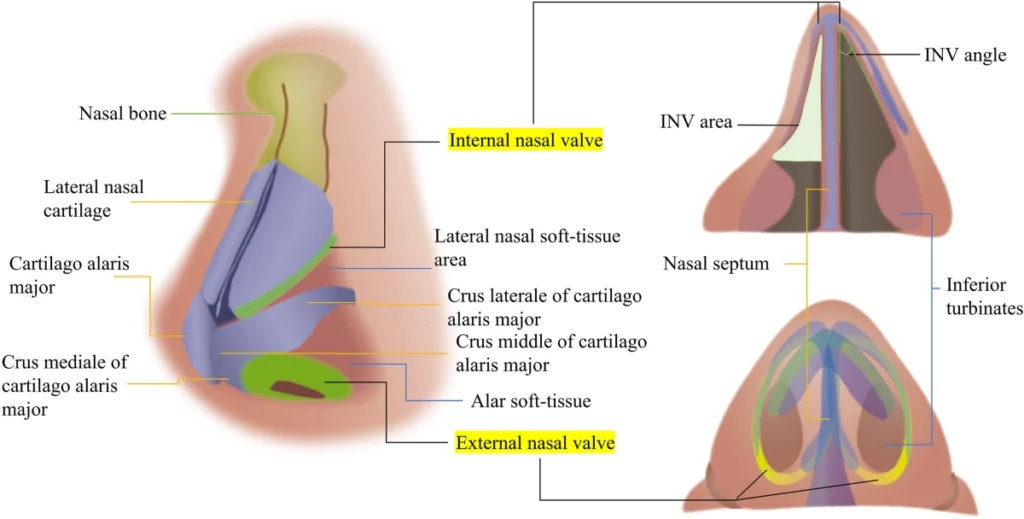
There are two nasal valves:
- Internal nasal valve – the area just inside the nostrils, formed by the septum and upper lateral cartilage
- External nasal valve – the area at the nostril opening, made up of the alar cartilage and surrounding tissues
When either valve becomes too narrow or weakens, it causes airflow to collapse or become restricted, resulting in nasal obstruction.
Common Signs of Nasal Valve Collapse
Many patients live with nasal valve collapse for years without knowing it. You may have this condition if you experience:
- A feeling of constant nasal blockage, especially on one side
- Difficulty breathing during physical activity or deep inhalation
- The sensation of nostrils closing when you inhale
- Breathing problems that do not improve with decongestants or nasal sprays
- Snoring, dry mouth, or disturbed sleep due to mouth breathing
These symptoms tend to worsen over time and can have a significant impact on daily life.
Causes of Nasal Valve Problems
Several factors can contribute to nasal valve dysfunction. These include:
Structural Narrowing at Birth
Some people are born with naturally narrow nasal valves, making breathing through the nose difficult from a young age.
Trauma or Injury
A blow to the nose can shift cartilage or weaken support structures, leading to valve collapse.
Ageing
As we get older, cartilage may weaken or sag, reducing structural support in the nasal valve area.
Previous Nasal Surgery
In some cases, cosmetic rhinoplasty removes too much cartilage, unintentionally causing nasal valve collapse.
What Is Nasal Valve Repair?
Nasal valve repair is a specialised surgical procedure designed to open and stabilise the valve area to improve airflow. It is often performed as part of functional rhinoplasty, but it can also be done as a standalone operation.

There are different surgical methods depending on the severity and location of the collapse:
Spreader Grafts
Thin pieces of cartilage are placed between the septum and upper lateral cartilage to widen the internal valve and maintain the airway.
Alar Batten Grafts
These are used to support the nostril rim, especially in patients with external valve collapse.
Suspension Sutures
These stitches are used to lift and hold the valve structures in a more open position, improving airflow.
Nasal Implants
In some cases, synthetic or absorbable materials are used to reinforce the nasal sidewalls without using cartilage from the patient.
How Is the Condition Diagnosed?
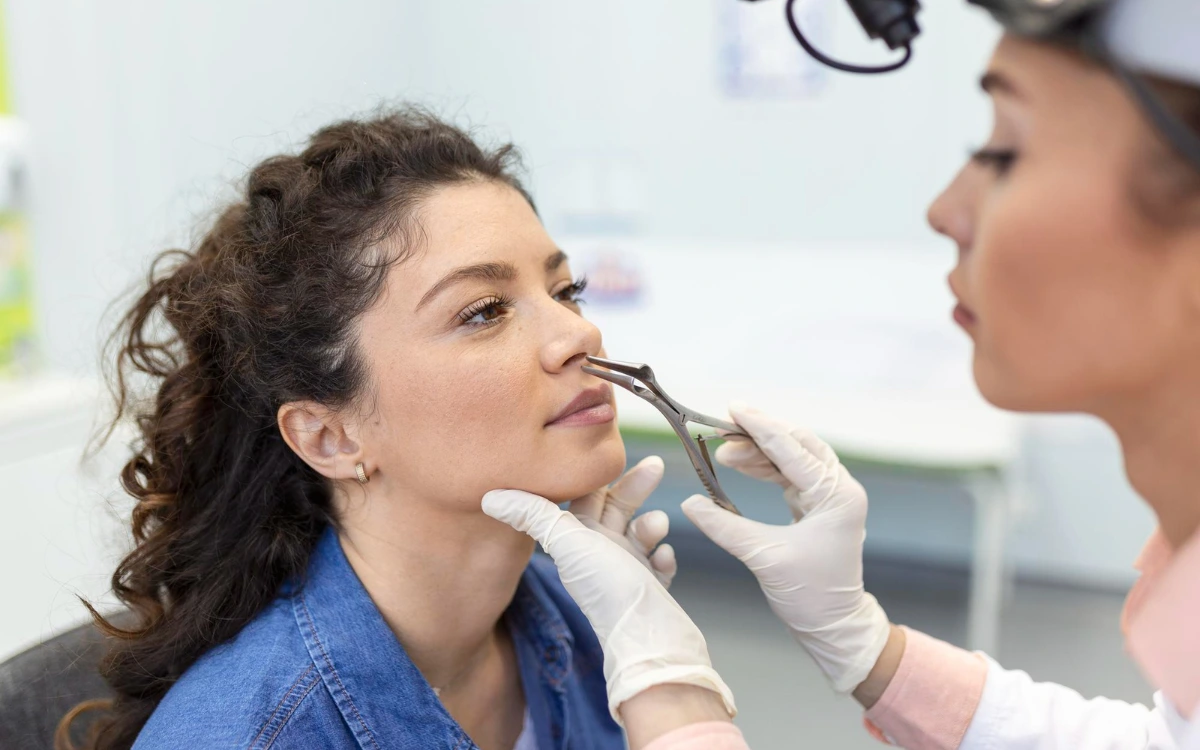
Diagnosis of nasal valve collapse begins with a physical examination. Your ENT or facial plastic surgeon may perform:
- Cottle’s Manoeuvre – pulling the cheek laterally to see if breathing improves, which may suggest valve collapse
- Endoscopic Examination – using a thin camera to assess the internal valve and sidewalls
- CT Scans – to rule out sinus issues and evaluate the full nasal structure
If typical treatments like antihistamines or nasal steroid sprays have failed, and your nasal obstruction persists, then nasal valve collapse is likely the underlying cause.
What to Expect During Nasal Valve Repair Surgery
This surgery is typically done under general anaesthesia. The entire process takes about one to two hours and may be performed through an open or closed approach.
During the Procedure, Your Surgeon May:
- Make small incisions inside or just outside the nose
- Harvest cartilage from the nasal septum or ear
- Place grafts or implants in the nasal valve area
- Secure the structures using sutures or advanced support techniques
- Ensure both sides of the nose are symmetrical and stable
It is common to combine nasal valve repair with other procedures like septoplasty or turbinoplasty, depending on the individual’s anatomy.
Recovery Timeline and Aftercare
The recovery process is generally straightforward. While every patient heals differently, here’s what you can typically expect:
| Timeframe | Recovery Milestones |
| Days 1–3 | Nasal stuffiness, mild swelling or bruising |
| Day 5–7 | Removal of nasal splints or packing if used |
| Week 2–3 | Noticeable improvement in airflow begins |
| Week 4 | Return to normal activity, including light exercise |
| Month 2–3 | Final breathing improvement and healing achieved |
Aftercare Tips:
- Use saline sprays to keep nasal passages moist
- Avoid strenuous activity and heavy lifting for the first few weeks
- Sleep with your head elevated to reduce swelling
- Follow your surgeon’s instructions on medication and follow-up visits
Key Benefits of Nasal Valve Repair
Patients who undergo nasal valve repair often report dramatic improvements in comfort and quality of life.
Some key benefits include:
- Better nasal breathing throughout the day and night
- Improved sleep and reduced snoring
- Less reliance on nasal sprays or decongestants
- Enhanced performance during exercise or sports
- Long-term solution to structural breathing issues
This is not a cosmetic procedure, although it may be paired with cosmetic changes if desired. The primary goal is function.
Frequently Asked Questions
Q1: Can nasal valve repair be done without changing the shape of my nose?
Yes. Many repairs are performed entirely internally, and the external shape of the nose remains unchanged unless a cosmetic procedure is requested at the same time.
Q2: Is this procedure the same as rhinoplasty?
Not exactly. Nasal valve repair is a functional surgery focused on breathing, while rhinoplasty is often cosmetic. However, rhinoplasty for breathing often includes valve repair.
Q3: How long does it take to see results?
Most patients begin to notice improved breathing within two to three weeks. Full benefits are generally experienced by three months.
Q4: Will I need another procedure in the future?
In most cases, no. When performed properly, nasal valve repair provides lasting results.
Q5: Is nasal valve repair covered by insurance?
It is often covered when deemed medically necessary. Check with your provider to confirm eligibility based on your symptoms and diagnosis.
When Surgery Might Not Be Recommended
Although nasal valve repair is effective, it is not suitable for everyone. It may not be the right choice if:
- Your nasal obstruction is caused by seasonal allergies or inflammation
- Your symptoms respond well to medical treatment
- You have underlying health conditions that increase surgical risk
- Your breathing difficulty stems from other parts of the airway
A thorough assessment by a qualified specialist is essential before proceeding.
Expertise Matters
Choosing the right surgeon is critical to the success of nasal valve repair. It requires a detailed understanding of nasal anatomy, structural balance, and function.
Dr. Jerome Paris, based in Dubai, is a leading ENT and facial plastic surgeon with expertise in functional nasal surgery, including complex valve repairs. His approach focuses on both restoring healthy airflow and preserving the natural form of the nose.
Conclusion
If you are living with constant breathing difficulties and nothing seems to help, it might be time to explore a structural solution. Nasal valve repair can address one of the most common yet overlooked causes of nasal obstruction, helping you breathe, sleep, and function better every day.
For expert care in Dubai, contact Dr. Jerome Paris today.
Contact @+971 58 588 4587 to schedule your consultation and take the first clear breath toward lasting relief.