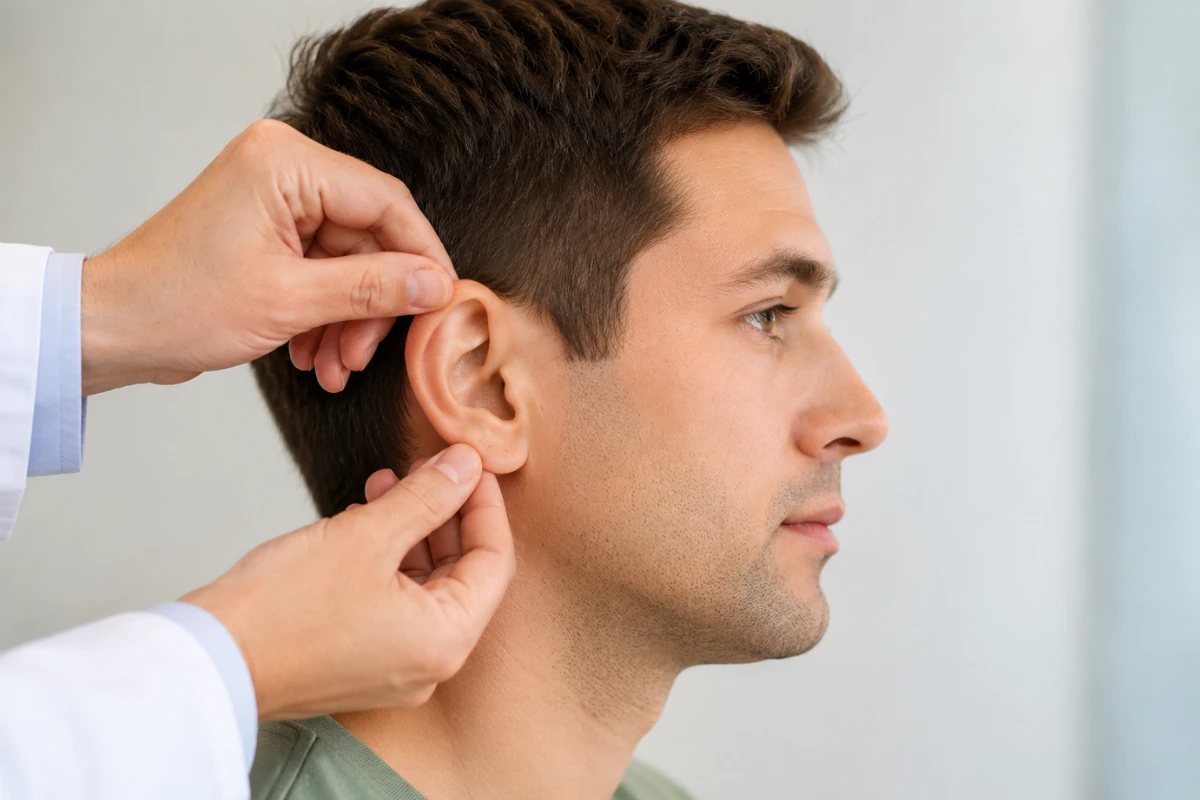
The external ear plays a vital role in both hearing and facial symmetry. Whether due to congenital conditions like microtia, trauma, infection, or previous surgery, damage or absence of the ear can impact both physical function and self-esteem. Ear reconstruction surgery provides patients with a pathway to restore form and, in some cases, function through carefully planned, specialised procedures. With advancements in medical techniques and materials, ear reconstruction has become more precise, predictable, and aesthetically successful.
This guide explores the types of ear reconstruction procedures, the techniques used to achieve optimal results, and what patients can expect in terms of healing and outcomes. It also highlights the importance of choosing a surgeon with expertise in this highly specialised field, especially for those seeking microtia treatment in Dubai or other complex ear repairs.
Understanding the Need for Ear Reconstruction
Ear reconstruction becomes necessary when part or all of the external ear is missing, deformed, or severely damaged. This may be the result of birth defects such as microtia, traumatic injury, burns, tumour removal, or complications from previous surgeries. In children, congenital ear deformities can have a psychological and social impact, especially as they approach school age. In adults, the absence or disfigurement of the ear can affect confidence and quality of life.
The primary goal of ear reconstruction surgery is to recreate a natural-looking ear that blends seamlessly with the opposite side of the face. In some cases, the procedure also supports hearing aid use or canal reconstruction when needed. Treatment is highly personalised and often involves multiple stages depending on the severity of the defect and the chosen technique.
Types of Ear Deformities Treated
Among the most common congenital deformities is microtia, a condition where the external ear is underdeveloped or absent. Microtia is typically classified into four grades, ranging from a small abnormal ear structure to complete absence of the external ear and ear canal. Microtia treatment in Dubai requires early diagnosis and detailed planning, as the timing and technique of surgery can vary depending on the child’s age, ear size, and general health.
Acquired deformities occur due to trauma, cancer resection, or severe infections. These may involve partial or full loss of the ear and often require reconstruction using cartilage grafts, synthetic materials, or prosthetic solutions. Each case presents unique challenges and must be evaluated in the context of skin quality, available tissue, and the patient’s personal goals.
Modern Ear Reconstruction Techniques
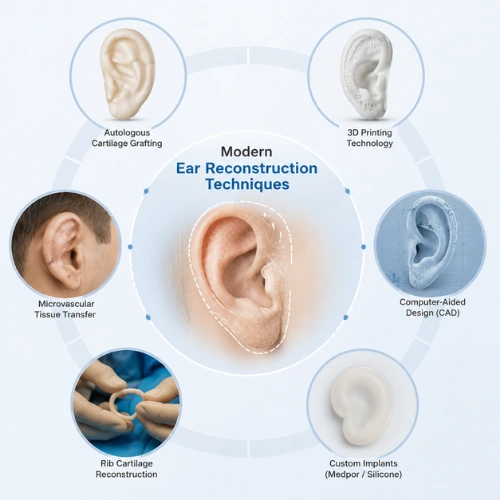
Several ear reconstruction techniques are available today, ranging from autologous reconstruction to prosthetic and implant-based methods. The choice of technique depends on the patient’s age, medical condition, and the nature of the deformity.
One of the most established approaches is autologous ear reconstruction. This technique uses the patient’s own rib cartilage to sculpt a new ear framework. The framework is inserted under the skin in a carefully created pocket to create a natural ear shape. The cartilage is harvested in a way that preserves the chest wall’s integrity, and the sculpting process is done with great precision to match the unaffected ear. This method is typically performed in children after the age of six, when sufficient cartilage is available for harvesting.
Another advanced option is implant-based reconstruction using synthetic materials such as porous polyethylene. This approach allows for a single-stage or two-stage procedure and is often combined with tissue expansion or flap coverage. Synthetic materials provide immediate structural shape and are ideal for patients who may not be good candidates for rib cartilage harvesting.
In cases where a full surgical reconstruction is not possible, or the patient prefers a non-surgical option, medical-grade prosthetic ears offer a realistic appearance. These prosthetics are custom-designed and attached with adhesives or implants. They are a reliable choice for patients seeking a non-invasive solution with a high level of cosmetic satisfaction.
Timing and Staging of Surgery
The timing of ear reconstruction depends largely on the type of deformity and the technique being used. For congenital cases like microtia, surgery is often performed in stages beginning between the ages of six and ten, depending on cartilage development. Autologous reconstruction typically involves two to four procedures spaced over several months to achieve the desired result.
In traumatic or acquired deformities, reconstruction may be delayed until wounds have healed and surrounding tissues are healthy. In some cases, immediate reconstruction can be performed following tumour resection or traumatic injury, provided that skin and vascular supply are adequate.
Staged surgeries allow the surgeon to refine the shape, position, and projection of the reconstructed ear over time. This phased approach improves aesthetic outcomes and reduces the risk of complications.
Expected Ear Surgery Outcomes
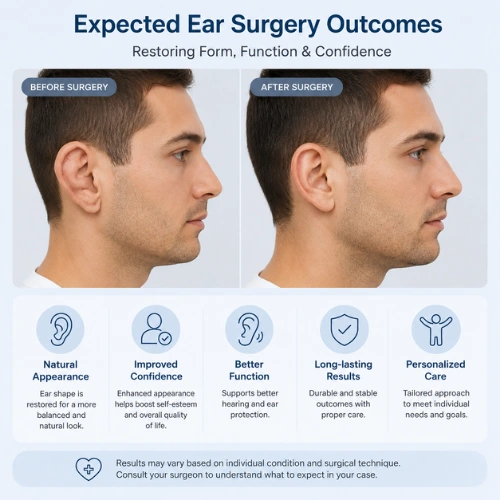
Successful ear reconstruction surgery can significantly enhance facial harmony, restore self-confidence, and, in some cases, support improved hearing aid placement. The results depend on several factors, including the technique used, the skill of the surgeon, and the patient’s healing response.
Ear surgery outcomes are judged by how closely the reconstructed ear resembles the natural one in size, shape, and position. With current techniques, surgeons can achieve remarkable symmetry and realistic contours that remain stable over time. Scars are generally well-hidden behind the ear or along natural folds and are further minimised with proper post-operative care.
Patients can expect a recovery period that includes initial swelling and bruising, followed by gradual refinement of shape and definition. Long-term follow-up is essential to monitor healing and, if needed, plan minor revisions to optimise results.
Choosing the Best Ear Reconstruction Surgeon Dubai
Given the complexity and artistic demands of ear reconstruction, it is critical to choose a surgeon with specialised training in facial plastic and reconstructive surgery. The best ear reconstruction surgeon Dubai patients can rely on will combine surgical expertise, a meticulous approach, and an eye for symmetry and proportion.
Dr. Jerome Paris is a leading facial plastic and ENT surgeon with over two decades of experience in advanced facial reconstruction. His background includes training at top institutions in France and the United States, and he is known for delivering precise, natural-looking outcomes in complex cases such as microtia and trauma-related ear loss. With a commitment to innovation and patient-centred care, Dr. Paris provides comprehensive consultations, customised treatment plans, and follow-up support tailored to each individual.
Conclusion
Ear reconstruction surgery has the potential to transform both appearance and quality of life for individuals affected by congenital or acquired ear deformities. From advanced microtia treatment to state-of-the-art implant and prosthetic solutions, patients today benefit from a range of ear reconstruction techniques that are safer, more predictable, and more aesthetically refined than ever before.
If you or your child is in need of expert evaluation for ear reconstruction, the first step is a consultation with a surgeon who understands both the functional and cosmetic goals of this delicate procedure. Dr. Jerome Paris offers world-class care for patients seeking facial and ear reconstruction, helping them restore symmetry, confidence, and peace of mind. To learn more or book a personalised consultation, contact the clinic in Dubai today.