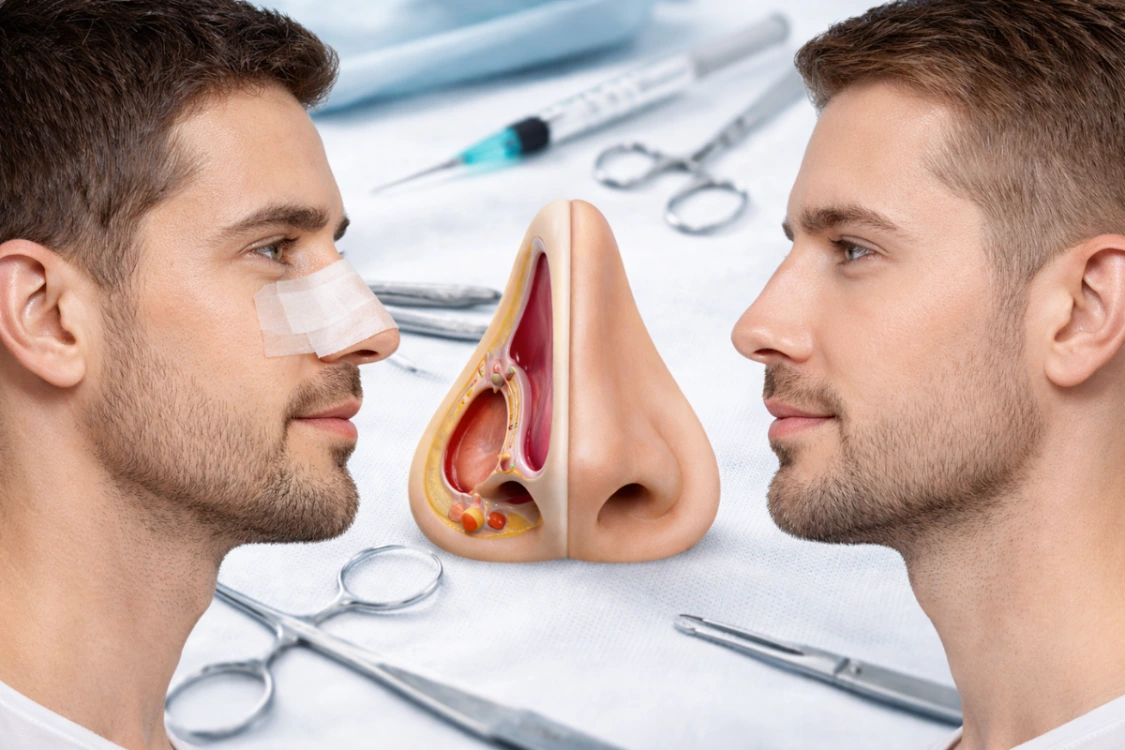
Rhinoplasty is often thought of as a purely cosmetic procedure, but the truth is more nuanced. There are two distinct types of rhinoplasty, each with different goals, techniques, and patient motivations. While cosmetic rhinoplasty is performed to refine the external shape of the nose, functional rhinoplasty focuses on correcting internal structural issues that affect breathing. Understanding the difference between functional and cosmetic nose job procedures is important for anyone considering nasal surgery. It helps ensure that the chosen approach aligns with both the patient’s medical needs and aesthetic expectations.
This guide offers a clear comparison of functional vs cosmetic rhinoplasty, including who benefits from each, how the procedures differ, and what to expect in terms of recovery and results. It also outlines the importance of choosing a surgeon experienced in both approaches to achieve the best possible outcome.
What Is Functional Rhinoplasty
Functional rhinoplasty is a surgical procedure designed to correct structural problems inside the nose that interfere with normal breathing. Common reasons for undergoing this type of surgery include a deviated septum, nasal valve collapse, enlarged turbinates, or trauma that has impaired nasal airflow. Unlike cosmetic rhinoplasty, which focuses on appearance, functional rhinoplasty for breathing is performed to restore proper nasal function.
Patients often seek functional rhinoplasty after experiencing persistent nasal obstruction, chronic sinus issues, or difficulty breathing through the nose. These symptoms can affect sleep, exercise tolerance, and overall quality of life. The goal of functional surgery is to open the airway, reduce congestion, and improve nasal airflow without altering the nose’s external appearance unless necessary.
What Is Cosmetic Rhinoplasty
Cosmetic rhinoplasty is performed to reshape the nose and improve its appearance. It addresses issues such as a dorsal hump, wide nasal bridge, asymmetry, a bulbous tip, or overall imbalance in facial proportions. While it may enhance self-confidence and facial harmony, the procedure is typically elective and not medically required.
Candidates for cosmetic rhinoplasty are generally in good health and have specific concerns about how their nose looks. The procedure can be subtle or transformative, depending on the patient’s goals. In some cases, patients may also have functional concerns and choose to undergo both cosmetic and functional correction in a single surgery.
Key Differences Between Functional and Cosmetic Rhinoplasty
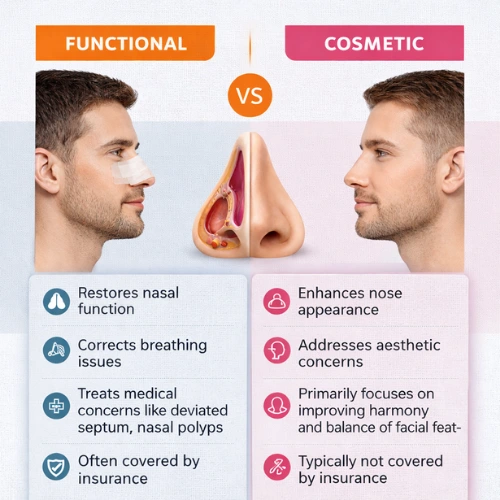
The primary difference between functional and cosmetic nose job procedures lies in their purpose. Functional rhinoplasty is focused on improving breathing, while cosmetic rhinoplasty aims to refine the appearance of the nose. The surgical techniques may overlap, but the objectives and planning process differ significantly.
Functional procedures often involve internal corrections such as septoplasty, turbinate reduction, or reconstruction of the nasal valves. Cosmetic procedures, on the other hand, require careful reshaping of the cartilage and bones to enhance the nose’s visual appeal. While both procedures demand precision and expertise, functional rhinoplasty requires a deep understanding of nasal physiology, and cosmetic rhinoplasty requires an artistic eye for facial symmetry.
Another important distinction is insurance coverage. Functional rhinoplasty is usually considered medically necessary and may be partially or fully covered by insurance, provided documentation supports the need for surgery. Cosmetic rhinoplasty is typically self-funded, as it is classified as elective.
Combining Functional and Cosmetic Goals
Many patients require both functional correction and cosmetic improvement. For example, someone with a deviated septum and a large dorsal hump may wish to breathe better while also improving the shape of their nose. In such cases, combining both procedures in one surgery can be highly effective.
A combined approach allows the surgeon to address all concerns at once, avoiding multiple procedures and additional recovery time. It also ensures that the internal and external aspects of the nose are treated in harmony. This is particularly beneficial when the structural corrections may impact the appearance of the nose, or when aesthetic changes might affect nasal function.
Choosing a surgeon who is trained and experienced in both ENT and facial plastic surgery is essential when planning a combined procedure. The best rhinoplasty surgeon Dubai patients can consult will offer expertise in both areas to ensure optimal breathing and natural-looking results.
Recovery and Results: What to Expect
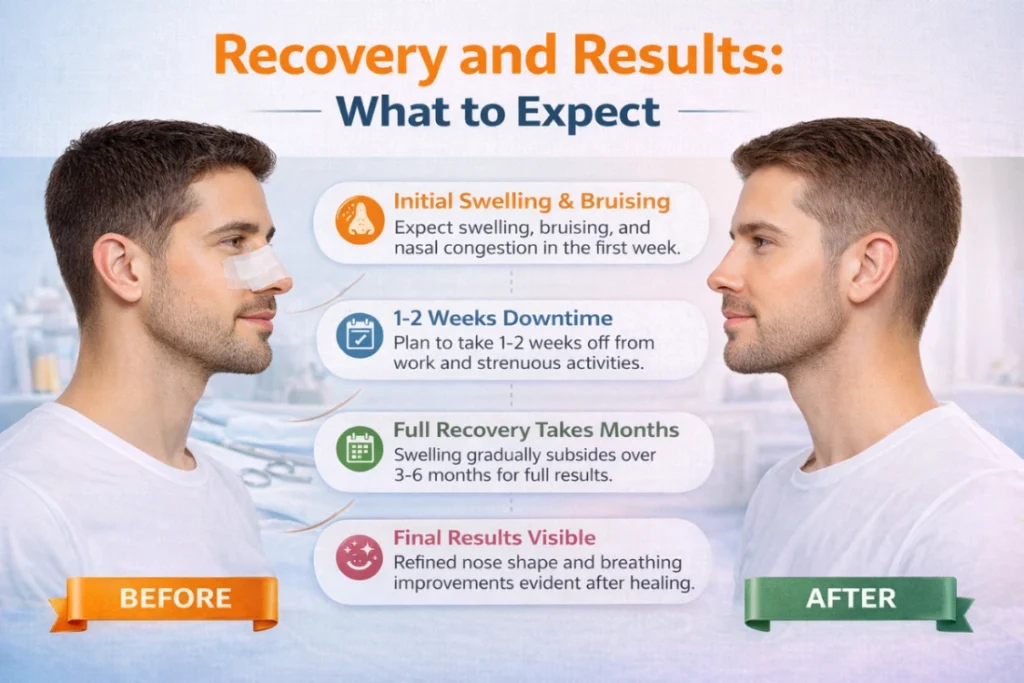
The recovery timeline for both functional and cosmetic rhinoplasty is similar. Patients can expect swelling, mild discomfort, and nasal congestion in the first week following surgery. A nasal splint may be placed to support the healing structures, and most people return to normal activities within ten to fourteen days.
Functional improvements such as easier breathing or reduced sinus pressure are often noticeable within the first month. Cosmetic results take longer to stabilise, as residual swelling can last for several months. The final appearance of the nose may take up to a year to fully settle, particularly in cases involving major reshaping or thick skin.
Regardless of the type of rhinoplasty, following the surgeon’s post-operative care instructions is essential for a successful recovery. Regular follow-up visits help monitor healing and ensure long-term results.
Choosing the Right Approach for Your Needs
Deciding between functional and cosmetic rhinoplasty, or choosing to combine both, depends on your individual goals and symptoms. If your primary concern is breathing, a functional approach is likely more appropriate. If your main focus is on appearance, a cosmetic procedure may be sufficient. For those with both aesthetic and medical concerns, a combined plan can address both effectively.
It is important to consult with a surgeon who listens to your concerns, explains the options clearly, and conducts a thorough evaluation. The surgeon should be able to identify whether the problem is internal, external, or both, and recommend a tailored approach to achieve the best result.
Why Dr. Jerome Paris Is the Right Choice
Dr. Jerome Paris is a distinguished ENT and facial plastic surgeon with over twenty years of international experience. His unique expertise spans both functional and cosmetic rhinoplasty, allowing him to provide a comprehensive and personalised treatment plan for each patient. Trained in France and the United States, and currently based in Dubai, Dr. Paris combines technical skill with an artistic approach that delivers natural and lasting results.
His understanding of nasal anatomy, facial proportions, and airway function positions him as one of the best rhinoplasty surgeon Dubai patients can trust. Whether addressing a breathing concern or refining nasal appearance, Dr. Paris offers advanced techniques and compassionate care in a modern, patient-centred setting.
Conclusion
Understanding the differences between functional and cosmetic rhinoplasty is the first step in making an informed decision about nasal surgery. While cosmetic procedures focus on appearance, functional rhinoplasty addresses breathing issues that can affect health and comfort. Some patients may benefit from both, and modern techniques make it possible to combine goals effectively in a single surgery.
If you are considering rhinoplasty and want a solution that reflects both your needs and your aesthetic preferences, a consultation with Dr. Jerome Paris offers the guidance and expertise needed to move forward with confidence. To learn more about your options for functional or cosmetic rhinoplasty in Dubai, contact the clinic today and take the first step toward breathing better and feeling more confident in your appearance.