Botox was once viewed mainly as a treatment for wrinkles that had already become clearly visible. Today, more people in their 20s and 30s are considering treatment before deeper lines develop.
This approach is commonly called preventative Botox.
The idea sounds simple: if repeated facial movements contribute to certain wrinkles, temporarily reducing those movements may help slow the process through which fine expression lines become more noticeable at rest.
However, this does not mean everyone should start Botox at 25, 30, or any other fixed age. Facial anatomy, muscle strength, skin quality, lifestyle, personal preferences, and existing lines vary significantly from one person to another
For someone exploring Preventative Botox Dubai, the more useful question is not, “Am I old enough to start?” It is, “Do I have a concern that Botox can appropriately address?”
This guide explains how preventative Botox works, who may benefit, its limitations, and what to consider before choosing treatment.
What Is Preventative Botox?
Preventative Botox refers to the use of botulinum toxin injections during the early stages of expression-line development.
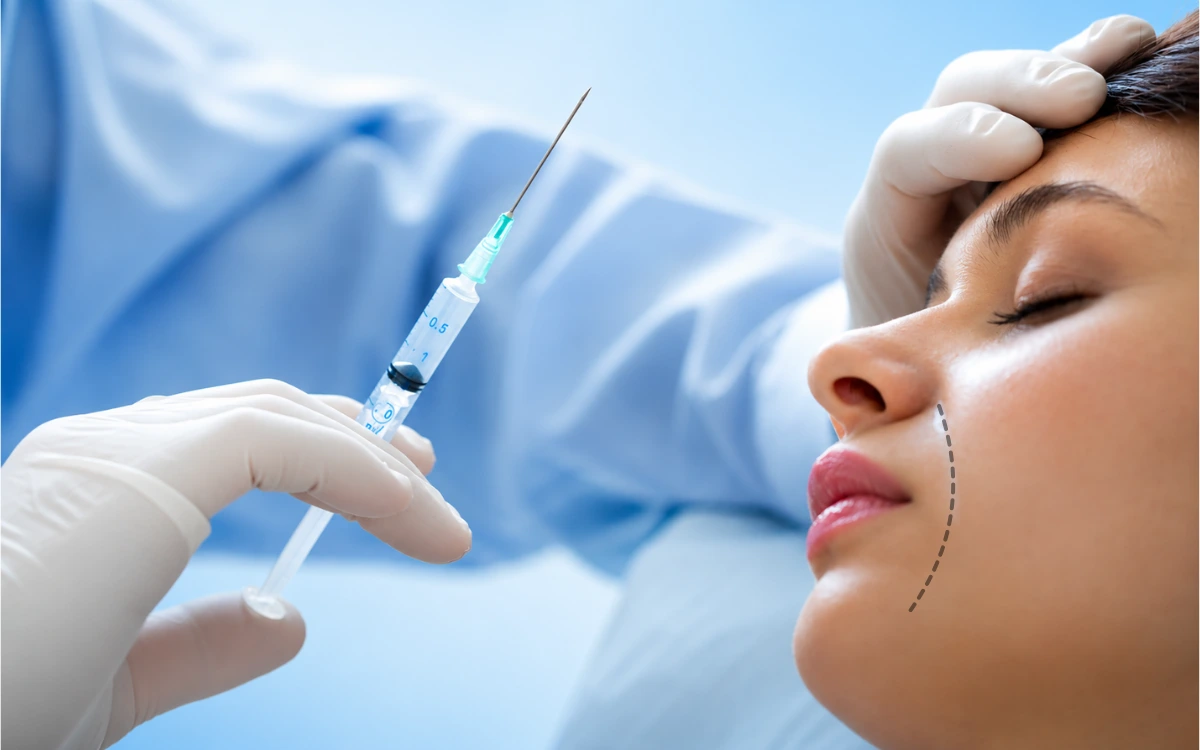
Botulinum toxin temporarily reduces communication between selected nerves and muscles. When carefully injected into targeted facial muscles, it reduces the strength of specific movements for a limited period.
As the treated muscles contract less strongly, the skin above them folds less repeatedly.
This may soften existing dynamic wrinkles and potentially reduce the repeated creasing that contributes to more established lines over time.
Preventative treatment is most often considered for areas such as:
- Horizontal forehead lines
- Frown lines between the eyebrows
- Crow’s feet around the eyes
- Certain lines around the nose or lower face in selected patients
The objective should not be to stop all facial expression. A well-planned treatment aims to soften excessive movement while maintaining a natural and expressive appearance.
Dynamic Wrinkles vs Static Wrinkles
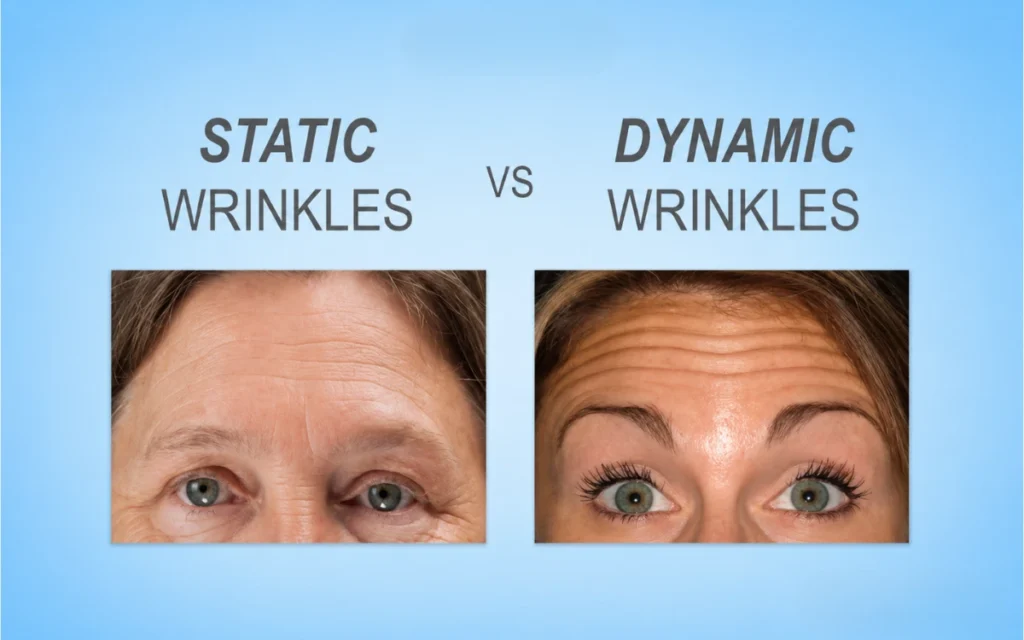
Understanding the difference between dynamic and static wrinkles is important when considering Botox for Wrinkles.
Dynamic Wrinkles
Dynamic wrinkles appear when facial muscles move.
Examples include:
- Forehead lines when raising the eyebrows
- Frown lines when concentrating
- Crow’s feet when smiling
In younger skin, these lines may disappear completely when the face relaxes.
Static Wrinkles
Static wrinkles remain visible even when the face is at rest.
They can develop gradually due to repeated facial movement, reduced collagen, changes in skin elasticity, sun exposure, smoking, genetics, and the natural ageing process.
Botox works most directly on wrinkles caused by muscle movement. It does not remove loose skin, replace lost facial volume, or correct every type of facial line.
This is why an accurate assessment is essential before beginning Anti-Aging Botox.
How Could Botox Help Prevent Deeper Lines?
Every time you smile, frown, squint, or raise your eyebrows, the skin folds along predictable movement patterns.
These expressions are normal and necessary. However, after years of repetition, the lines formed during movement may begin to remain visible when the face is relaxed.
By temporarily reducing selected muscle contractions, Botox can decrease the intensity of this repeated folding.
In theory, this may slow the progression from a dynamic line to a more established static wrinkle.
Research on younger adults suggests that botulinum toxin can effectively improve dynamic facial lines. Some studies and clinical observations also suggest that repeated treatment may reduce the development or severity of lines visible at rest.
However, the long-term evidence specifically proving that early Botox prevents future ageing remains limited and varied. Preventative Botox should therefore be discussed as a possible strategy rather than a guaranteed way to avoid wrinkles.
Is There a Right Age to Start Botox?
There is no medically correct age at which everyone should begin Botox.
Some people develop visible expression lines in their mid-20s because they have strong facial muscles, fair or sun-damaged skin, or a genetic tendency towards early lines.
Others may reach their late 30s or 40s with very few visible wrinkles.
Age alone does not determine whether treatment is appropriate.
A person in their 20s may be a reasonable candidate if they have:
- Strong forehead or frown-line movement
- Dynamic lines that are becoming visible at rest
- A specific concern that affects their confidence
- Realistic expectations
- An interest in subtle, conservative treatment
Another person of the same age may have no meaningful lines and no clinical reason to start treatment.
When considering Preventative Botox Dubai, the decision should be based on facial assessment, not social media pressure or fear of ageing.
Preventative Botox in Your 20s
Starting Botox in your 20s has become increasingly discussed online, but it is not automatically necessary or beneficial.
Most people in their early 20s still have good skin elasticity and no persistent wrinkles. Treating a face with no visible concern may add cost and ongoing maintenance without offering a meaningful benefit.
Preventative Botox may be considered later in the 20s when a person begins noticing that a line remains faintly visible after the face relaxes.
Common early concerns may include:
- A strong vertical frown line
- Forehead lines that take longer to disappear
- Early crow’s feet
- Facial asymmetry caused partly by muscle activity
For younger patients, a conservative approach is especially important. The goal is usually to reduce excessive contraction rather than fully immobilise the area.
Lower doses or fewer treatment areas may be appropriate, depending on the individual’s anatomy and muscle strength.
Preventative Botox in Your 30s
The 30s are often when dynamic lines begin to become more established.
Collagen production gradually changes with age, and years of facial movement, sun exposure, stress, and lifestyle habits may become more visible.
Someone in their 30s may notice:
- Forehead lines remaining at rest
- Deeper frown lines
- Crow’s feet becoming visible beyond smiling
- Makeup settling into expression lines
- A consistently tired or tense appearance
At this stage, Botox may serve both a corrective and preventative role.
It can soften existing movement-related wrinkles while reducing the repetitive contractions that may deepen them further.
However, Botox may not be the only treatment needed. If a line is already deeply etched into the skin, a combined plan involving skin care, resurfacing, collagen-stimulating treatments, or other procedures may provide a more complete improvement.
What Are the Potential Benefits?
When properly selected and administered, Anti-Aging Botox may offer several benefits.
Softer Expression Lines
Botox can reduce the appearance of lines that form during facial movement.
Slower Progression of Certain Wrinkles
Reducing repeated skin folding may help delay the deepening of some movement-related lines, although results vary.
Subtle and Customisable Treatment
The dose and injection pattern can be adjusted according to muscle strength, facial structure, and the desired degree of movement.
Minimal Interruption to Daily Life
Treatment is generally performed in a clinic and usually does not require a formal recovery period.
Temporary Results
The temporary nature of Botox can be reassuring for first-time patients. Muscle activity gradually returns as the effect wears off.
Improved Facial Appearance Without Surgery
For appropriate concerns, Botox can create a more rested appearance without incisions or surgical recovery.
What Preventative Botox Cannot Do
Botox is useful, but its role is specific.
It cannot:
- Permanently stop facial ageing
- Improve every type of wrinkle
- Remove loose or excess skin
- Restore significant volume loss
- Correct skin pigmentation
- Replace sunscreen or a good skin-care routine
- Guarantee that static lines will never form
- Produce the same result as facelift surgery
- Permanently change facial anatomy
Fine lines caused mainly by dryness, sun damage, loss of collagen, or skin texture may respond better to other treatments.
Under-eye hollows, flattened cheeks, or age-related volume loss are also not corrected by Botox alone.
A responsible consultation should identify what is causing the concern before recommending an injectable.
Does Starting Early Mean You Will Need Botox Forever?
No. Botox does not create a medical requirement to continue treatment indefinitely.
Its effects are temporary. As they wear off, muscle movement gradually returns and expression lines may become visible again.
Patients may choose to:
- Repeat treatment at regular intervals
- Increase the time between appointments
- Treat only before particular occasions
- Reduce the number of areas treated
- Stop treatment completely
If treatment is discontinued, the face does not suddenly age faster because Botox was stopped. Muscle movement returns, and the natural ageing process continues.
However, patients who become accustomed to smoother skin may notice the return of their original movement more clearly.
The decision to continue should remain personal and should not be driven by pressure from a clinic or injector.
How Long Does Botox Last?
Results are temporary and commonly last around three to four months, although duration varies.
Factors that may affect longevity include:
- Treatment area
- Dose used
- Individual metabolism
- Muscle strength
- Previous treatment history
- Product used
- Injection technique
- Physical activity and lifestyle factors
Some patients notice movement returning earlier, while others maintain an effect for longer.
More frequent treatment is not automatically better. The timing of repeat injections should be guided by clinical assessment and the patient’s goals.
Will Preventative Botox Make the Face Look Frozen?
It should not, when treatment is planned conservatively and performed by an appropriately qualified medical professional.
A frozen appearance usually results from excessive dosing, unsuitable placement, treatment of too many muscles, or a treatment plan that does not account for natural facial balance.
Modern Botox Dubai treatment can be tailored to preserve some movement.
Patients can discuss whether they want:
- Very subtle softening
- Moderate movement reduction
- A smoother but still expressive forehead
- Treatment of one concern rather than the entire upper face
The provider should examine the face both at rest and during movement before deciding where and how much to inject.
Can Botox Change Eyebrow Position?
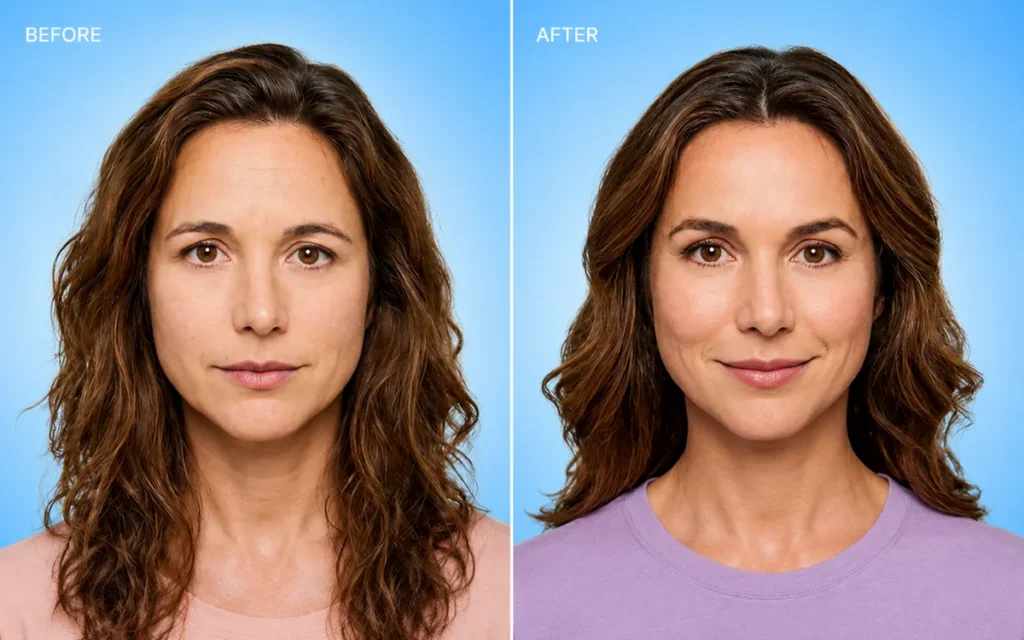
Yes, Botox can affect eyebrow position because the muscles of the forehead and eye area work together.
Strategic treatment may create a subtle lifting effect in selected patients. However, unsuitable placement or excessive weakening of the forehead can also cause brow heaviness or drooping.
This is one reason why Botox should never be treated as a simple beauty service.
The injector must understand:
- Forehead muscle function
- Brow position
- Eyelid anatomy
- Facial asymmetry
- The interaction between lifting and lowering muscles
Patients with naturally low brows, hooded eyelids, or previous eyelid surgery may require particularly careful planning.
Possible Side Effects and Risks
Botox is generally well tolerated when appropriately administered, but it remains a prescription medical treatment with possible risks.
Temporary effects may include:
- Redness
- Swelling
- Bruising
- Tenderness
- Headache
- A feeling of tightness
- Temporary asymmetry
Other potential complications can include:
- Eyelid drooping
- Brow drooping or heaviness
- Uneven eyebrow position
- Unwanted weakness in nearby muscles
- Changes in facial expression
- Dry eye or eye irritation in selected treatment areas
Serious complications are uncommon but can occur. Patients should receive information about warning signs and when to seek urgent medical advice.
The treatment may not be appropriate for everyone, including certain individuals with neuromuscular conditions, active infection at an injection site, known allergy to the product, or other medical considerations.
Pregnancy, breastfeeding, medication use, previous procedures, and relevant health conditions should be discussed during consultation.
What Happens During a Botox Consultation?
A proper consultation for Preventative Botox Dubai should include more than asking which areas the patient wants treated.
The practitioner should assess:
- The face at rest
- The face during expression
- Muscle strength
- Existing dynamic and static lines
- Eyebrow and eyelid position
- Facial symmetry
- Skin quality
- Previous injectable treatments
- Medical history
- Current medications
- Personal expectations
The consultation should also explain:
- What Botox can realistically improve
- Which areas may not need treatment
- The expected duration
- Possible side effects
- Alternatives
- Aftercare
- The likely maintenance involved
A good provider may advise against treatment if there is no clear concern to address.
Preventative Botox vs Good Skin Care
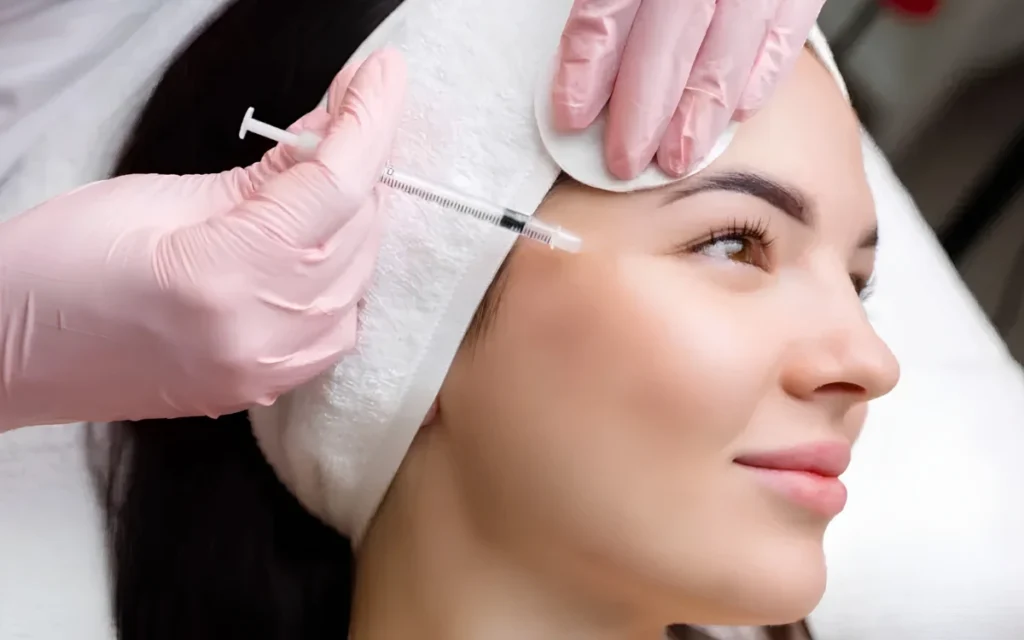
Botox and skin care do different jobs.
Botox reduces muscle activity. Skin care supports the quality, hydration, and protection of the skin itself.
A strong preventative ageing plan should usually begin with:
Daily Sunscreen
Ultraviolet exposure is a major contributor to premature skin ageing. Consistent broad-spectrum sun protection is often more important than starting injectables early.
Gentle Cleansing
Harsh routines can disrupt the skin barrier and increase irritation.
Appropriate Moisturisation
Well-hydrated skin may appear smoother and healthier.
Evidence-Based Active Ingredients
Depending on skin type and medical suitability, a dermatologist may recommend ingredients such as retinoids, antioxidants, or other targeted products.
Healthy Lifestyle Habits
Smoking avoidance, adequate sleep, balanced nutrition, and management of sun exposure can influence how the skin ages.
Botox should complement these habits rather than replace them.
How Much Botox Does a Younger Patient Need?
There is no standard dose for every person in their 20s or 30s.
The amount required depends on:
- Muscle size and strength
- Gender and facial anatomy
- Treatment area
- Existing wrinkles
- Desired amount of movement
- Previous response to treatment
A younger, toxin-naive patient may sometimes benefit from a lower or more focused dose, but under-treatment is not always appropriate either.
Using too little in the wrong pattern may create uneven movement, while too much may produce heaviness or an unnatural result.
Treatment should be tailored, documented, and reviewed rather than based on a popular number of units seen online.
Questions to Ask Before Choosing Botox in Dubai
Before undergoing treatment, consider asking:
- What qualification and injectable experience does the practitioner have?
- Who will perform the injections?
- Which botulinum toxin product will be used?
- Is the product approved and sourced through authorised channels?
- Why is treatment being recommended at my age?
- Which muscles will be treated?
- How much movement should I expect to retain?
- What are the possible risks in my case?
- When will the result be reviewed?
- What should I do if I experience an unexpected effect?
Botox should be performed in an appropriately licensed medical setting using an authentic, properly stored product.
So, Is Preventative Botox Worth It?
Preventative Botox may be worthwhile for someone who has strong dynamic facial lines, early lines beginning to remain at rest, realistic expectations, and a preference for maintaining softer movement-related wrinkles.
It may not be worthwhile for someone who:
- Has no visible dynamic concern
- Feels pressured by social media
- Expects permanent prevention of ageing
- Is unwilling to accept maintenance
- Wants Botox to improve pigmentation, texture, or volume loss
- Is seeking treatment mainly because friends have started
The decision is not about reaching a particular birthday.
For some people, starting conservative treatment in the late 20s may be reasonable. For others, waiting until the mid-30s, 40s, or choosing not to have Botox at all may be equally appropriate.
Final Thoughts
Preventative Botox can be a useful option for selected people in their 20s or 30s, but it should never be treated as a compulsory step in an anti-ageing routine.
Botox works best for wrinkles connected to repeated facial muscle movement. It may soften existing dynamic lines and could help slow the development of more established lines in some patients. However, long-term prevention cannot be guaranteed, and starting earlier does not automatically produce a better outcome.
For anyone considering Preventative Botox Dubai, the safest approach is to begin with a detailed facial assessment. A qualified practitioner should evaluate muscle movement, skin condition, eyebrow and eyelid position, and personal goals before recommending treatment.
The purpose of Anti-Aging Botox should be thoughtful, proportionate improvement rather than removing every expression or creating fear around normal ageing.
When used conservatively, Botox for Wrinkles can help maintain a refreshed appearance while preserving facial movement and individuality. The right time to start is not determined by your age. It is determined by whether there is an appropriate concern to treat and whether the potential benefits make sense for you.
Frequently Asked Questions
1. Can Botox prevent wrinkles completely?
No. It may reduce the repetitive muscle movement that contributes to certain expression lines, but it cannot prevent all facial ageing or guarantee that wrinkles will never develop.
2. Is 25 too young for Botox?
Not necessarily, but age alone is not a reason to begin. Treatment should address a genuine dynamic concern identified during an individual assessment.
3. Is 30 a good age to start Botox?
Some people begin noticing persistent expression lines in their 30s and may benefit. Others may not need or want treatment. The decision should be based on anatomy and goals.
4. Does Botox work on wrinkles visible at rest?
It may soften them, particularly when muscle activity contributes to the line. Deep static wrinkles may also require skin-directed treatments.
5. How often is preventative Botox needed?
Many patients see effects for approximately three to four months, but treatment frequency should be individualised. It is not necessary to repeat treatment automatically on a fixed schedule.
6. Will my wrinkles worsen if I stop?
Stopping treatment allows normal muscle activity to return. The face then continues ageing naturally rather than suddenly becoming worse because treatment was discontinued.
7. Is preventative Botox different from regular Botox?
The product may be the same. The term “preventative” usually describes the timing, goal, and often the conservative treatment approach rather than a separate type of Botox.