If you’ve ever found yourself taking shallow breaths, feeling like your nose is constantly blocked, or waking up at night struggling for air, you’re not alone. For many, the issue isn’t a seasonal allergy or a lingering cold. It is something far more structural.
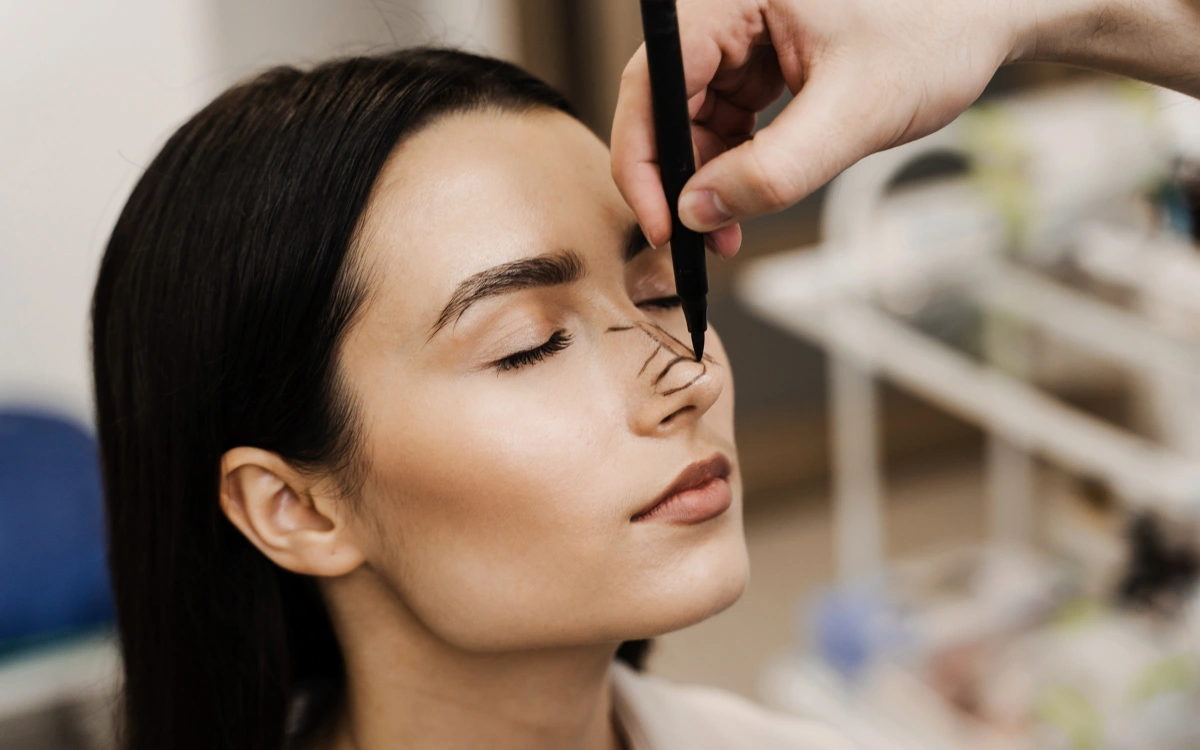
This is where functional rhinoplasty comes in. Unlike cosmetic nose surgery, which focuses on how your nose looks, functional rhinoplasty is designed to help you breathe better. In this comprehensive guide, we’ll unpack what it is, when it’s needed, how it works, and why it’s especially relevant in a city like Dubai.
What is Functional Rhinoplasty?
Functional rhinoplasty is a surgical procedure aimed at correcting internal nasal problems that interfere with normal breathing. These problems could include:
- A deviated septum
- Collapsed nasal valves
- Enlarged turbinates
- Post-traumatic deformities
While this surgery can be performed alongside cosmetic adjustments, its primary goal is to restore nasal function, not alter facial aesthetics. It is a highly specialised form of nasal surgery often performed by ENT specialists or facial plastic surgeons.
Why This Surgery Matters, Especially in Dubai
Dubai’s desert climate, high dust content in the air, and prevalence of allergic rhinitis mean nasal obstruction is incredibly common. Many residents deal with persistent breathing problems, especially those working outdoors, involved in sports, or living in high-traffic urban zones.
On top of this, air-conditioning is widely used throughout the year in the UAE. This can dry out the nasal mucosa, making breathing issues worse. For this reason, rhinoplasty for breathing has become an essential service, not just an aesthetic option.
Common Conditions Functional Rhinoplasty Can Treat
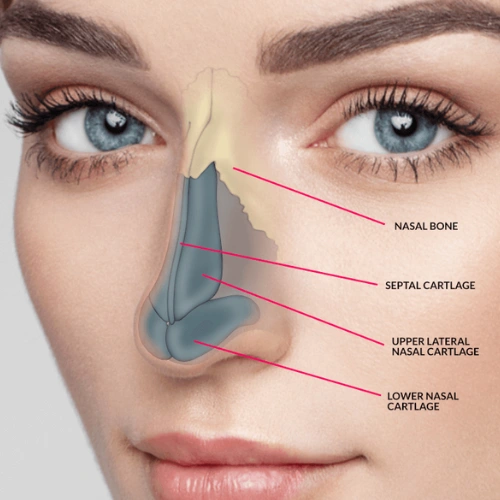
Understanding the root cause of your breathing difficulties is the first step. Here are some of the most common structural issues treated with functional nose surgery:
➤ 1. Deviated Septum
This is one of the most frequent reasons patients seek functional rhinoplasty. The septum is the thin wall that separates the two nasal passages. If it is off-centre or crooked, it can block airflow on one or both sides. Causes can be congenital or result from trauma.
➤ 2. Nasal Valve Collapse
The nasal valve is the narrowest part of your airway. If it is weak or collapses during inhalation, it can drastically reduce airflow, especially during physical activity or deep breathing.
➤ 3. Enlarged Turbinates
These are soft tissue structures inside your nose that filter and humidify the air. When they swell due to allergies or irritation, they can block the airway and make it difficult to breathe.
➤ 4. Post-Traumatic Nasal Deformities
If you have had a broken nose or injury from sports or accidents, you may develop internal scarring or displacement that obstructs airflow.
Functional Rhinoplasty vs. Cosmetic Rhinoplasty
It is easy to confuse the two, but there is a clear difference.
| Aspect | Functional Rhinoplasty | Cosmetic Rhinoplasty |
| Purpose | Improve breathing | Improve appearance |
| Covered by Insurance | Often yes | Usually no |
| Surgeon | ENT or facial plastic surgeon | Plastic surgeon |
| Can be Combined? | Yes, with cosmetic improvements | Yes, with functional repairs |
The goal with functional rhinoplasty is to help patients breathe naturally, sleep better, and improve their quality of life.
The Procedure: What to Expect
Consultation
Your journey starts with a consultation and physical examination. ENT specialists may use nasal endoscopy and imaging such as CT scans to assess the internal structures of your nose.
Surgery
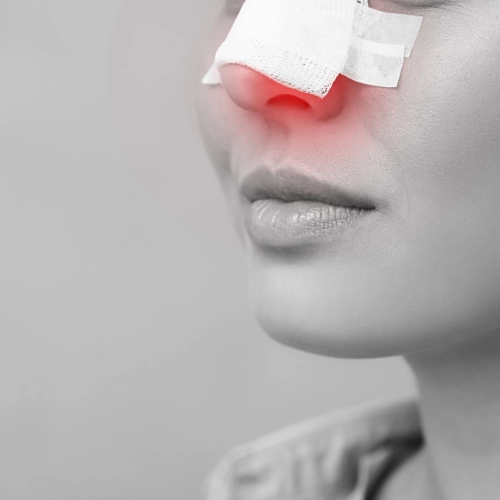
The surgery typically lasts between 1.5 and 3 hours and is usually performed under general anaesthesia. Depending on your needs, the approach might be:
- Open Rhinoplasty: An external incision on the columella, the tissue between the nostrils, allows full visibility.
- Closed Rhinoplasty: All incisions are made inside the nose, leaving no visible scars.
Depending on your nasal anatomy, the surgeon might:
- Straighten the septum (septoplasty)
- Reconstruct or support nasal valves
- Reduce turbinates (turbinoplasty)
- Insert cartilage grafts, often taken from the ear or rib, to reinforce weak areas
Recovery Timeline: Healing After Functional Nose Surgery
Healing varies from person to person, but here is a general recovery outline:
| Timeline | What to Expect |
| Day 1 to 3 | Swelling, congestion, mild discomfort |
| Week 1 | Removal of splints or nasal packing |
| Week 2 to 4 | Gradual return to normal breathing |
| Month 2 to 3 | Reduced swelling, improved function |
| 6 to 12 Months | Complete internal healing |
Recovery Tips:
- Keep your head elevated during sleep
- Avoid strenuous activities for at least 3 weeks
- Use prescribed nasal sprays and saline rinses
- Do not blow your nose until your doctor approves it
Functional Rhinoplasty Benefits
When performed correctly by a skilled surgeon, functional rhinoplasty offers long-term relief and noticeable improvement in daily life. Some benefits include:
- Improved nasal airflow
- Better sleep with fewer awakenings and snoring
- Increased stamina during exercise
- Reduced reliance on nasal sprays or medications
- Optional aesthetic enhancements when combined with cosmetic rhinoplasty
When Functional Rhinoplasty May Not Be Recommended
Surgery is not always the first or most appropriate step. As your doctor, I may advise delaying or avoiding functional rhinoplasty in the following situations:
- If conservative treatments, such as nasal steroid sprays or antihistamines, have not yet been explored
- If the breathing difficulties are clearly seasonal and primarily related to allergies
- If the concern is purely cosmetic, with no underlying functional or structural issues
- If there are other medical conditions that significantly increase the risk of surgery or anaesthesia
Each case is carefully evaluated before recommending surgery. The goal is always to prioritise safety and ensure the treatment plan matches your individual needs and health status.
Frequently Asked Questions (FAQs)
Q1: Is functional rhinoplasty covered by insurance?
Yes, if the procedure is done for medical reasons. It is always best to check with your insurance provider.
Q2: Will my nose look different after surgery?
Not necessarily. Functional rhinoplasty focuses on internal correction. Cosmetic changes can be added if you choose.
Q3: Is it painful?
Mild discomfort is normal, especially in the first few days. Most patients describe it as pressure rather than pain.
Q4: Can I have this surgery if I have had rhinoplasty before?
Yes, revision functional rhinoplasty is common and helps correct breathing issues that previous surgeries may not have resolved.
Q5: How soon will I notice breathing improvement?
Many patients feel better within 1 to 2 weeks. Full results usually appear within 3 months.
Q6: Is functional rhinoplasty safe?
Yes, when performed by an experienced ENT or facial plastic surgeon. Complications are rare but can include infection, bleeding, or the need for revision.
Myths vs. Facts About Functional Rhinoplasty
| Myth | Fact |
| It is just a nose job. | It is a medical procedure focused on improving breathing. |
| Only people with broken noses need it. | Many are born with structural nasal issues. |
| You will always look different afterward. | Not unless cosmetic changes are added. |
| It is painful and recovery takes forever. | Discomfort is usually mild and recovery is steady and manageable. |
Choosing the Right Surgeon
Functional rhinoplasty requires a surgeon who understands both internal nasal structure and external facial anatomy. The goal is not just to breathe better, but to ensure that your results are balanced and natural.
Dr. Jerome Paris, based in Dubai, is an ENT and facial plastic surgery specialist known for his detail-oriented work and patient-first approach. From minor corrections to complex nasal reconstruction, his work is guided by both skill and experience.
Conclusion
Functional rhinoplasty is more than nasal surgery. It is a life-enhancing solution for people who struggle with chronic nasal obstruction, interrupted sleep, or daily breathing discomfort.
If you are based in Dubai and looking for expert guidance, contact Dr. Jerome Paris for a personalised evaluation.Contact @+971 58 588 4587 to book your consultation and take the first confident step toward easier breathing.